Residents in Alpharetta know summer heat arrives early and lingers. Humidity climbs, and air conditioners run long hours. There are practical ways to cut cooling costs without replacing equipment. Small adjustments, routine care, and better control strategies can reduce bills by 10 to 30 percent while improving comfort.
This guide draws on local experience with HVAC Alpharetta homes across Windward, Glen Abbey, Downtown Alpharetta, and Milton. It focuses on clear steps any homeowner can use now and explains where a professional tune-up delivers the biggest savings.
Start with the thermostat
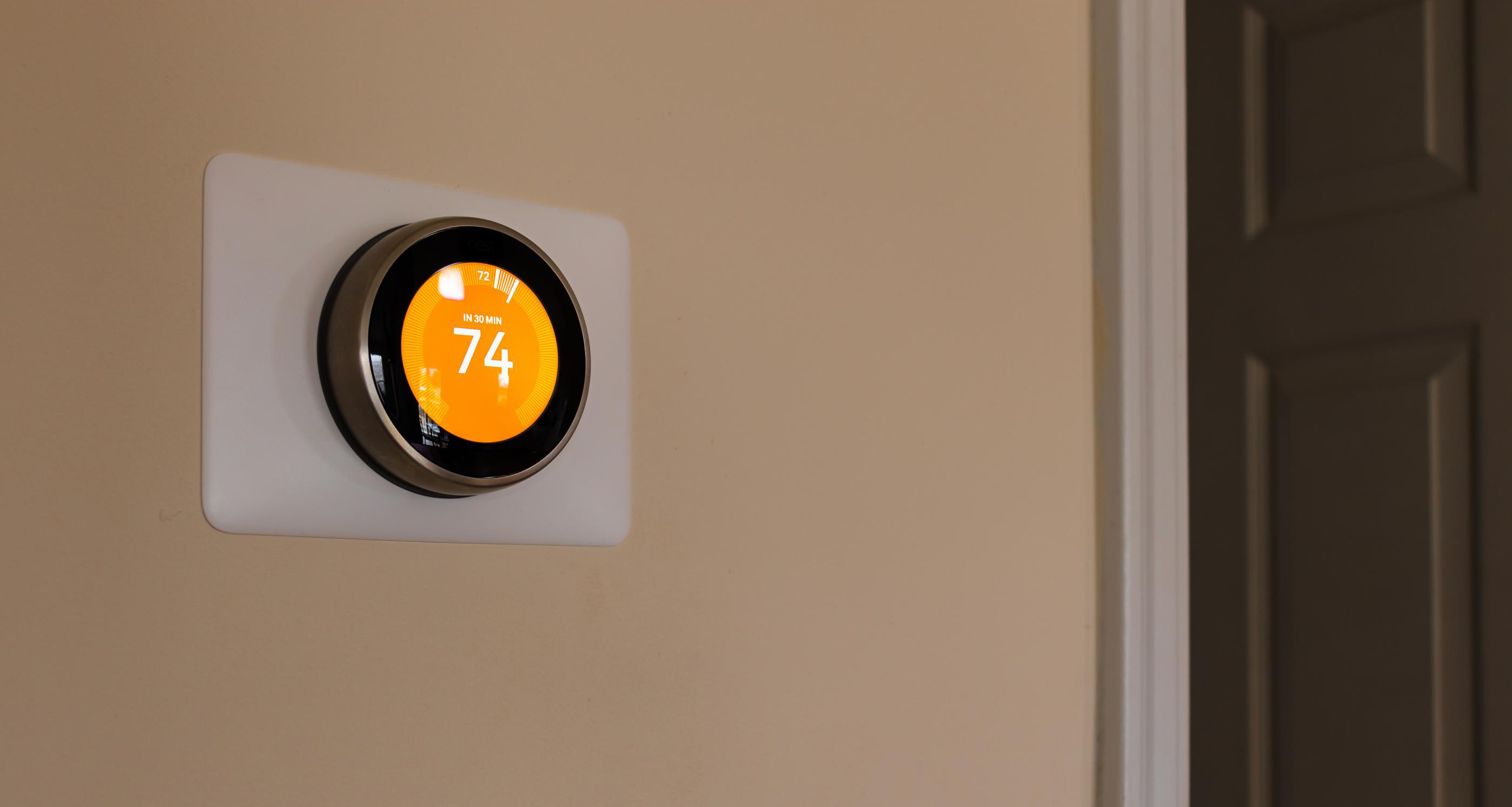
Setpoint control drives most energy use. A few degrees make a visible difference on the next bill. Many Alpharetta households run 70 or 71 degrees all day. Raising the setpoint to 74 or 75 while home helps, and 78 during unoccupied hours helps more. In humid subtropical summers, dehumidification lets a higher temperature feel comfortable.
A programmable or smart thermostat does this work on a schedule. It pre-cools before arrival and eases off while away. It can also lock in fan settings and humidity targets. One Hour Heating & Air Conditioning installs and configures smart thermostats for variable-speed systems, zoned HVAC systems, and ductless mini-splits. A correct setup matters. For example, continuous fan mode can increase humidity by re-evaporating water off the coil. In Alpharetta, use Auto fan with a proper run-out period.
Fix airflow before chasing SEER ratings
Poor airflow makes any system waste energy. High bills often trace back to low airflow, not an aging compressor. Signs include hot rooms, noisy returns, and long run times.
Start at the filter. A dirty air filter chokes the blower and can cause frozen evaporator coils and short cycling. In North Fulton County, pollen season is long. Filters clog faster. Replace 1-inch filters every 30 to 60 days in summer. High-MERV filters capture more particles but can strain systems without enough surface area. Many homes do better with a media cabinet that uses a 4- or 5-inch filter. It delivers clean air Take a look at the site here with less pressure drop.
Next, check supply and return vents. Furniture often blocks grilles in bedrooms and home offices. Open returns in hallways and larger rooms. If a vent whistles, the grille may be undersized or the duct collar may be crimped. That backpressure forces the blower motor to work harder and drives up energy use.
If the system still feels weak, a professional should measure static pressure and blower speed. One Hour techs test at the return and supply, then adjust tap settings on single-stage units or set airflow targets on variable-speed air handlers. Correct airflow protects compressors and keeps evaporator coils from freezing.
Seal and balance the duct system
Leaky or unbalanced ducts waste 10 to 20 percent of cooling output in many homes. Losses are worse in attics over garages and bonus rooms near the roofline. Alpharetta attics can exceed 120 degrees in July. Any leak in a supply duct pushes cold air into that space and pulls hot, humid air back into the home through gaps.
Mastic sealing at joints, rigid elbow corrections, and proper support spacing stop losses. Zoning dampers and static pressure bypasses require careful setup. Misadjusted dampers cause short cycling in small zones and poor dehumidification. The team can test flow at registers, set damper positions, and correct bypass strategy. Balanced ducts support even temperatures from basement rec rooms to third-floor flex spaces near Downtown Alpharetta.
Keep the outdoor unit breathing
The condenser coil needs free airflow. Cottonwood fluff and grass clippings insulate the fins and spike head pressure. That forces the compressor and condenser fan to draw more power.
Keep shrubs at least two feet from the cabinet. Rinse the coil from the inside out with low pressure. Avoid bending fins. Straightening smashed fins with a fin comb improves breathing. Check the fan blade for cracks and wobble. A damaged blade reduces airflow and can vibrate enough to harm the motor. In many Alpharetta systems, a worn run capacitor causes hard starts and short cycling. Replacing a weak run capacitor restores proper motor torque and cuts current draw.
Control humidity for comfort at higher setpoints
Energy savings depend on comfort. Dry air feels cooler. In Alpharetta’s climate, a clean evaporator coil, correct blower speed, and a healthy expansion valve help the system remove moisture. Many homes benefit from a dehumidification mode that lowers blower speed during cooling. Variable-speed systems from Trane, Lennox, Carrier, and American Standard support this feature. With a smart thermostat, it can target 50 percent relative humidity instead of 60 to 65. Homeowners report they can raise setpoints by 2 degrees with no comfort loss when humidity is in range.
If indoor humidity stays high, check for a clogged condensate drain. A partial clog can keep water on the coil, which re-evaporates and raises humidity. Clear the trap with a wet vac, flush with water, and add an algaecide tab. For tight basements near the Big Creek Greenway, consider a whole-home dehumidifier tied into the return duct. It reduces latent load, protects hardwoods, and relieves the AC on peak days.
Clean the evaporator coil and keep sensors honest
A dirty evaporator coil reduces heat transfer and airflow. It often leads to frozen coils and rising bills. Coil cleaning requires removing the access panel, protecting the furnace heat exchanger or electric heat kit, and using coil-safe cleaner. While inside, a technician can inspect the circuit board connections, check the condensate pan for cracks, and verify the drain safety switch. If the system includes a furnace, the flame sensor and igniter should be inspected during the annual visit, as reliability during shoulder seasons matters for heat pump balance points.
Thermistors and temperature sensors drift with age. Incorrect readings cause the system to short cycle or run longer than needed. Calibrating sensors and verifying the thermostat location makes a noticeable difference. Avoid mounting thermostats on exterior walls or in direct sun near large windows, such as those facing Avalon or the Ameris Bank Amphitheatre district.
Manage heat gain before it enters the home
Limiting heat gain lets the AC run less. Exterior shading on west-facing windows, solar films, and closed blinds during the afternoon reduce room temperatures by several degrees. In Alpharetta’s two-story homes with vaulted spaces, ceiling fans set to counterclockwise in summer improve air movement. Fans cool people, not rooms, so turn them off when leaving to avoid wasted kilowatt-hours.
Attic insulation matters. Many homes in 30004 and 30022 still sit at R-19 to R-30. Raising to R-38 to R-49 reduces ceiling heat flow. Sealing attic hatches, can lights rated for insulation contact, and top plates helps even more. These steps lower AC runtime without touching the system.
Schedule a targeted HVAC tune-up
A maintenance visit pays for itself when it prevents a failure on a 95-degree day or recovers lost efficiency. For HVAC Alpharetta clients, One Hour Heating & Air Conditioning offers focused checkups built for North Georgia humidity. The service includes:
- Refrigerant performance check to spot low charge or a failing expansion valve. Subcooling and superheat readings tell the truth. Electrical test of the compressor contactor, run capacitor, and circuit board to prevent hard starts, short cycling, and nuisance trips. Blower and duct inspection to verify airflow, belt tension where applicable, and motor amperage compared to nameplate. Coil cleaning, drain clearing, and verification of the float switch to prevent leaks and water damage in finished spaces.
The crew services Goodman, Rheem, York, Bryant, Amana, Lennox, Carrier, Trane, American Standard, and Daikin systems. For high-end homes in Country Club of the South, White Columns, and Crooked Creek, they tune variable-speed equipment, zoned systems, and hybrid heat pumps with manufacturer-recommended settings.
Address the true problem behind rising bills
High bills point to a cause. Some common patterns seen across the 30005 and 30009 areas:
Rising energy use with longer cycles often indicates a dirty condenser coil or weak condenser fan. A buzzing start then a click from the outdoor unit suggests a failed run capacitor. Poor cooling upstairs with good cooling downstairs points to duct leakage or closed dampers. Random stops and starts with grinding noises can signal blower motor bearings or a failing compressor. High indoor humidity despite long run times may indicate an oversized unit or a clogged condensate drain.
One Hour technicians diagnose failing compressors, replace worn-out run capacitors, and correct expansion valve issues to restore cooling capacity. They also solve root causes such as low airflow from a clogged filter or a collapsed flex duct run.
Consider smart zoning and IAQ add-ons that save energy
Zoned control helps Alpharetta homes with spread-out floor plans. Cooling only occupied areas during evenings and mornings cuts runtime. It requires careful damper control and static pressure management to avoid short cycling. Smart thermostats linked to room sensors manage this well.
Indoor air quality upgrades also support lower bills. A right-sized media filter and sealed returns reduce dust on coils. UV lamps at the evaporator keep biofilm off fins, which maintains heat transfer. For allergy-prone families near Wills Park and North Point Mall, high-efficiency air filtration systems can improve air while keeping pressure drop manageable.
Know when repair beats replacement
The goal here is to avoid replacement. Still, there is a line. If the compressor is failing on a 14-year-old system with an R-22 legacy coil, repair costs can chase diminishing returns. If ducts leak more than 20 percent or the system is badly oversized, comfort and bills may never settle with band-aids. In those cases, a high-SEER, variable-speed replacement can cut usage by 20 to 40 percent. One Hour advises on trade-offs without pressure and can stage improvements, starting with ducts and controls, then equipment when timing is right.
Local service that respects time and budget
One Hour Heating & Air Conditioning serves Alpharetta, Milton, Johns Creek, Roswell, and Cumming. Trucks are often near Avalon and the Big Creek Greenway, and appointments are available across 30004 and 30022. The company backs work with the Always On Time Or You Don’t Pay A Dime guarantee. NATE-certified technicians handle Georgia humidity challenges and provide 24/7 emergency service.
Homeowners who want lower cooling bills without replacing equipment can start with thermostat strategy, airflow, duct sealing, coil care, and humidity control. For a precise tune-up or a diagnostic on stubborn issues, schedule service today. The team provides priority HVAC maintenance for families in Windward and Glen Abbey and supports estates across North Fulton County with punctual, detail-focused care.
Ready to cut your summer bill and stay comfortable through August? Schedule HVAC service in Alpharetta, GA now.
Name: One Hour Heating & Air Conditioning
Address: 1360 Union Hill Rd ste 5f, Alpharetta, GA 30004, United States
Phone: +1 404-689-4168
Website: onehourheatandair.com/north-atlanta/areas-we-service
Find Us on Google: Google Business Profile
Social Profiles: Facebook | X (Twitter) | Instagram | Pinterest | YouTube